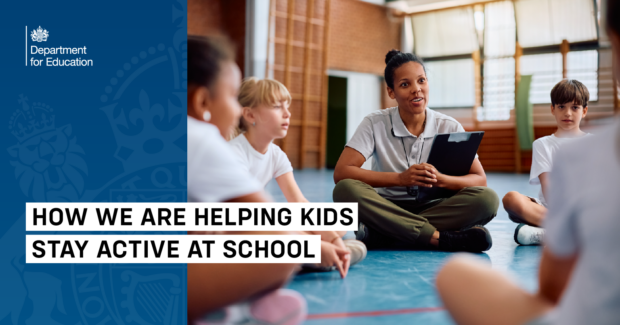
Physical education (PE) and school sport play a huge role in supporting the healthy development of children and young people – improving their physical and mental health, supporting confidence and resilience, and building social skills.
But evidence shows less than half of young people get the 60 minutes of activity a day they need – with girls, those with SEND and those from disadvantaged backgrounds affected the most. By the time children reach the end of primary school, 1 in 5 are living with obesity.
We’re focused on turning this around and creating the healthiest generation of children and young people, working across government and with sporting bodies including the Lawn Tennis Association and the Rugby Football Union to offer even more opportunities for PE, sport and activity both in and outside of the classroom.
How often do pupils have PE lessons each week?
We expect schools to teach two hours of PE per week as part of the curriculum.
We’re updating and reforming the PE curriculum following the recommendations of the Curriculum and Assessment Review so pupils benefit from improved access to sport, both in and out of the classroom, as well as considering how activities like swimming, dance, and outdoor and adventurous activity could be included.
How will you ensure all pupils have access to high-quality PE and sport regardless of where they go to school?
Access to opportunities for sport and physical activity is often determined by where a child lives or goes to school.
Our new PE and School Sport Partnerships programme will end this postcode lottery and break down the barriers to a healthy childhood which many children face.
The Partnership Network will be up and running from January 2027. It will provide schools with a mixture of universal support, such as online training and on demand resources, as well as targeted support based on need.
This could look like specialist coaches, development opportunities for teachers, extra-curricular activities for children, or support to deliver swimming and water safety.
The programme will be backed by a significant investment of almost £1 billion including £580 million of funding for the Partnerships Network, as well as £200 million to go towards improving school sporting facilities, and a £100 million payment to support primary schools to transition to the new approach.
What opportunities are available to my child outside of the classroom?
We know most schools offer some extra curricula activities, but the quality of and access to a broad range of activities can be patchy
That’s why we have set out a new core enrichment entitlement, so that every child – wherever they go to school – has access to sport, the arts and more.
The new PE and School Sport Partnerships Network will also help to offer strong extra-curricular opportunities by connecting schools with grassroots sport clubs and national governing bodies (NGBs) like the Football Association and Swim England so that pupils can benefit from specialist additional support, both in and out of the classroom.
For example, a school with a strong interest in cricket could link up with the England and Wales Cricket Board and organisations such as Chance to Shine, to access expertise, equipment, teacher and coach support, and opportunities for pupils to play cricket.
Importantly, this helps to create a clear pathway beyond the school day, so pupils who enjoy a sport or activity know how they can continue playing in community clubs and local settings.
What age of children will benefit from the new PE and Sport Partnership Programme?
The new partnerships model will see dedicated PE support extend to secondary school pupils – a key age group which has seen a marked drop in physical activity levels.
This will make sure that every pupil from Year 1 through to the end of Year 11 will benefit from the incredible mental wellbeing, physical, and developmental benefits that come from accessing high quality PE and school sport.
What are you doing to ensure schools have access to high quality sporting facilities?
We know that high quality facilities are an important part of delivering a great sport experience for pupils. That’s why we are investing almost £200M to improve school sporting facilities.
This means that funding can now be used to help maintain and improve the condition of school buildings and grounds, opening up access to better opportunities PE and Sports for every child.
What are people saying about this announcement?
Simon Hayes, the chief executive of Sport England, welcomed the announcement, saying “this investment will help more children and young people experience the many benefits that sport and physical activity can bring…Sport England is looking forward to working closely with schools and partners to help ensure this funding creates more opportunities for children and young people to get active, enjoy sport and build confidence through being active”.
Meanwhile, Robert Sullivan, the CEO of Football Foundation said “Today's additional funding will support delivering more game changing facilities for young people, ensuring the power of sport can continue to transform communities across the country”.